Reserve officer training
Training reserve officers for the Armed Forces of the Republic of Kazakhstan. Training is free (under the state education order) or paid.
- 1st-year students — 3- and 4-year programs
- 2nd-year students — 5-year programs
Developing leadership, discipline, responsibility and professional military skills alongside your degree.
Yessenov University's Military Department trains students under the reserve officer and reserve sergeant programs. Students gain a second, military, profession linked to their major, and after graduation can build a career in the security forces of the Republic of Kazakhstan.
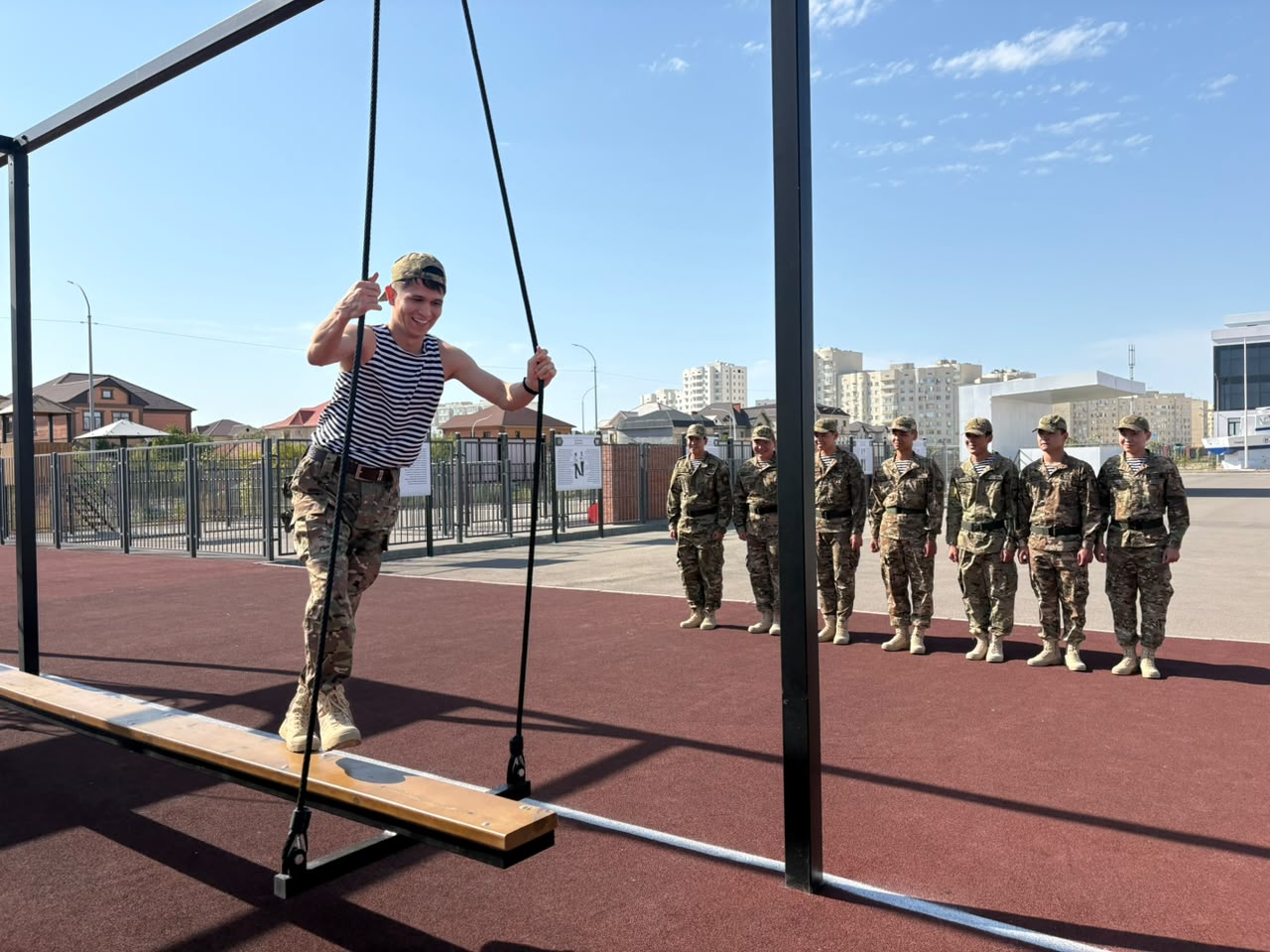
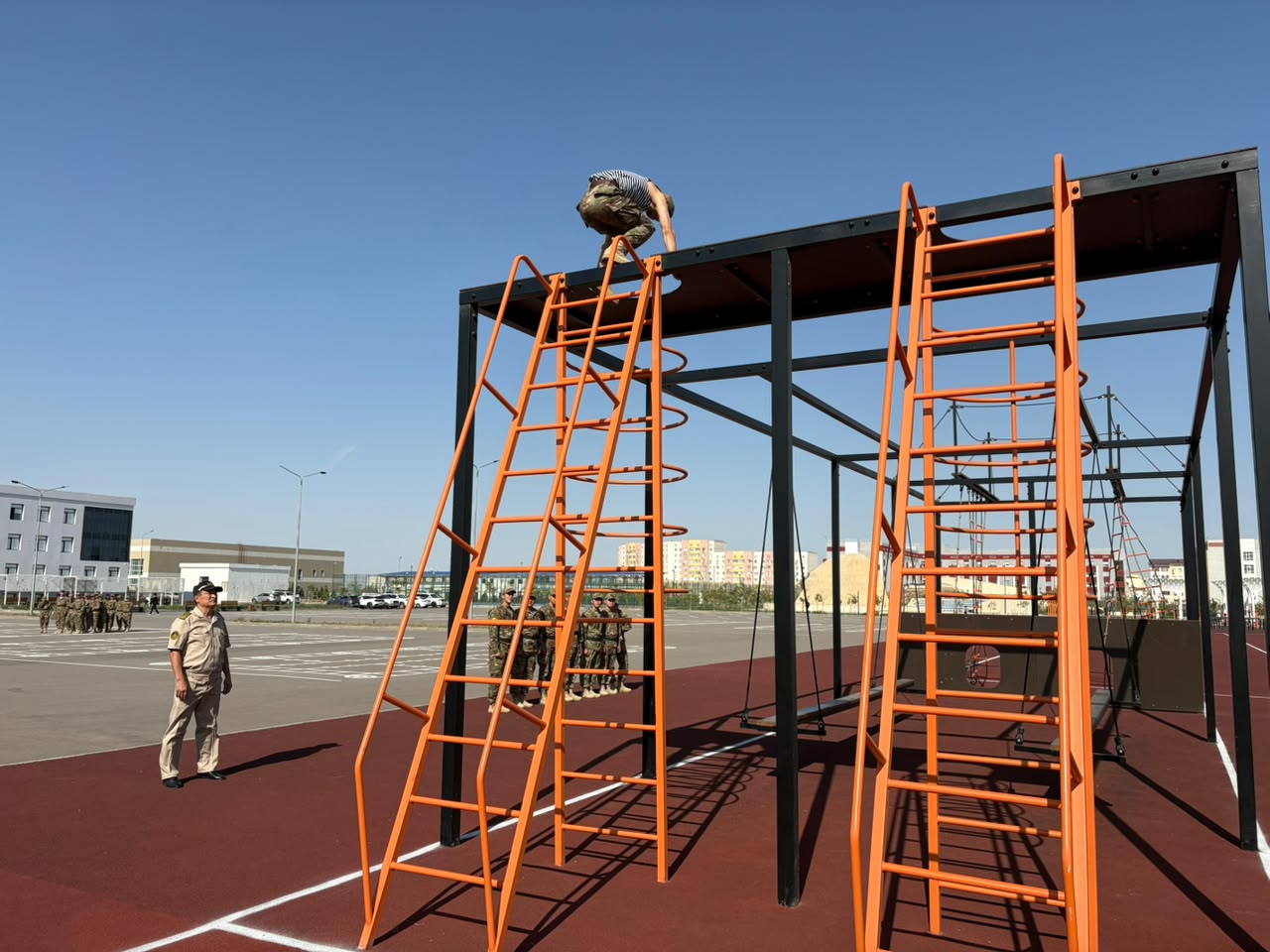
Training combines classroom theory with hands-on practice at the department's facilities and field exercises. It builds leadership, teamwork, responsibility for decisions and physical endurance.
The department works closely with the university's engineering faculty, maritime academy and computer science faculty, so training can be tailored to each student's major.
Study at the Military Department is voluntary and follows the university's internal regulations and education law.
Training responsible, disciplined professionals who can act under pressure and make sound decisions for society and the state.
To become a model military training center in western Kazakhstan, with training that meets modern requirements and standards.
Honour, discipline, responsibility, mutual support, respect for tradition and continuous self-improvement.
Training builds qualities valued in any profession, from engineering to management.
Skills in leading a group, making decisions and owning results.
Planning your time, following procedures and seeing tasks through.
Understanding the consequences of your decisions and owning them.
Extra skills that increase your value on the job market.
Experience working together under limited time and resources.
Analysing the situation, assessing risks and choosing the best option.
Regular training, endurance and a healthy lifestyle.
Demand in government structures and industry.
Readiness to help with tasks of national importance.
Two military training programs, both taken alongside your main degree.
Training reserve officers for the Armed Forces of the Republic of Kazakhstan. Training is free (under the state education order) or paid.
Training reserve sergeants for the Armed Forces of the Republic of Kazakhstan. Training is paid.
The path from application to completing the military training program.
The student submits an application with the required documents to the Military Department.
Reviewing documents and assessing the candidate's grades and motivation.
Forming study groups and scheduling classes around the main program.
Classroom lessons in tactics, topography, communications, law and psychology.
Building skills at the department's facilities with simulators and trainers.
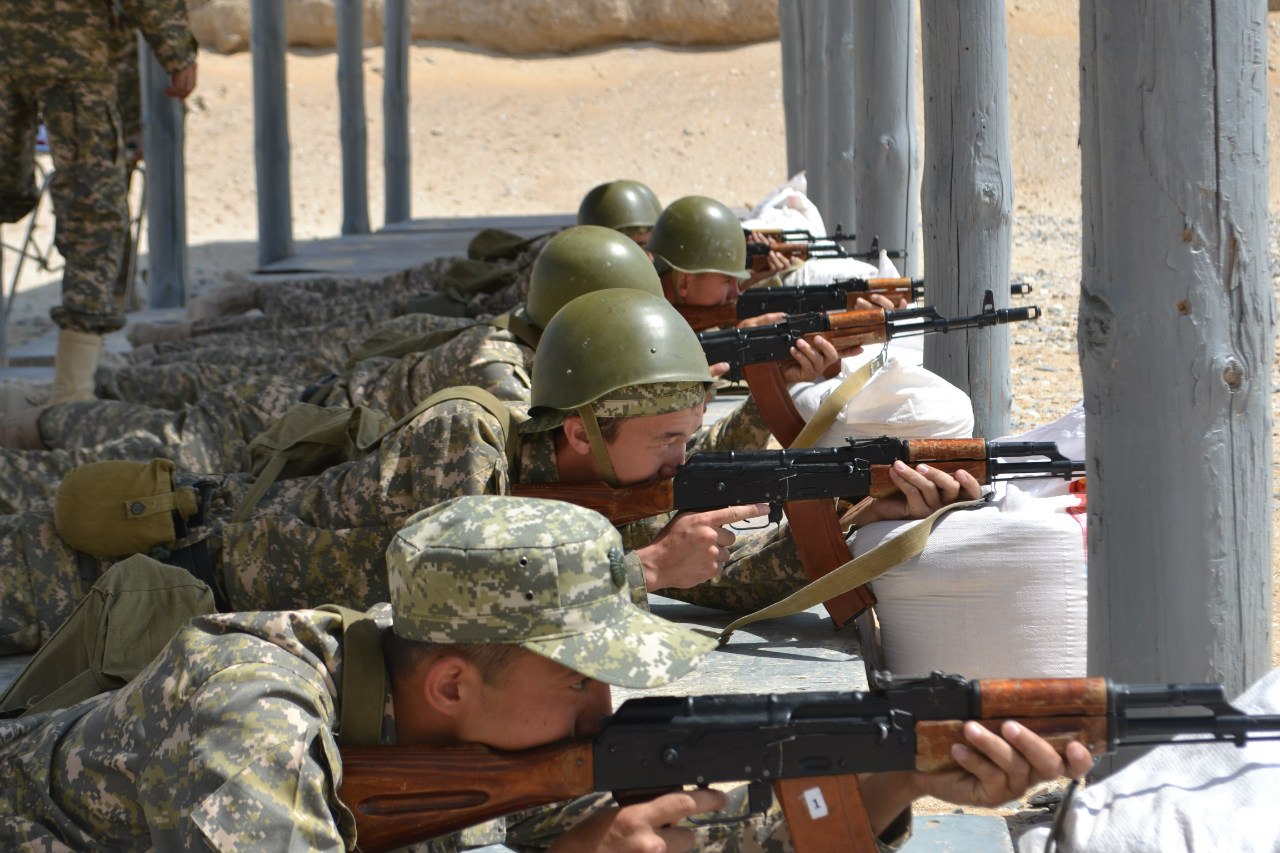
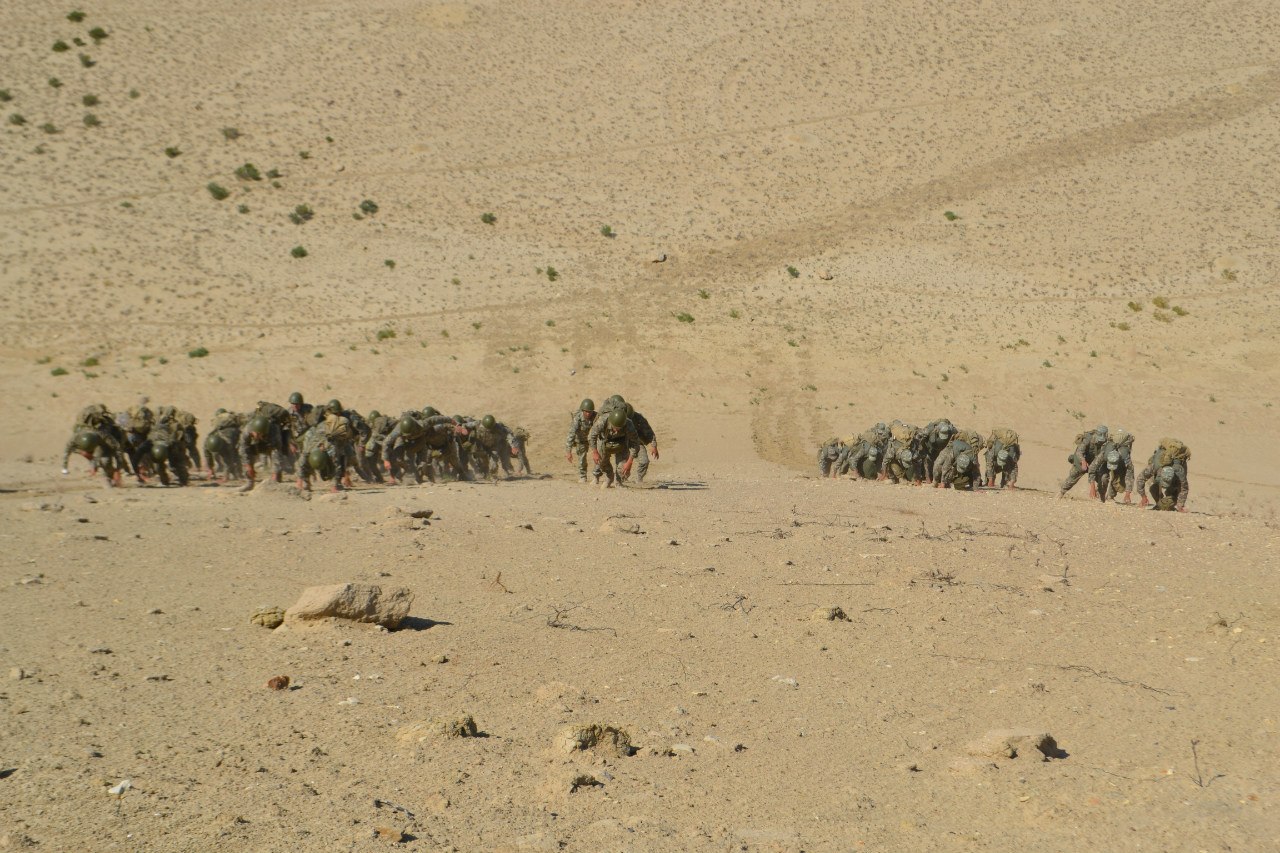
Off-site exercises at the training ground, practising teamwork in near-real conditions.
A comprehensive assessment of knowledge, practical skills and fitness.
Issuing a certificate of completion of military training.
14 modules covering theoretical, practical and physical training.
The department builds an active community through projects, competitions and events.
Cadets organize training events and lead junior groups.
Taking part in inter-university military sports competitions.
Social and patriotic initiatives in Aktau and the Mangystau Region.
Meetings with active professionals and service veterans.
Regular training and university sports clubs.
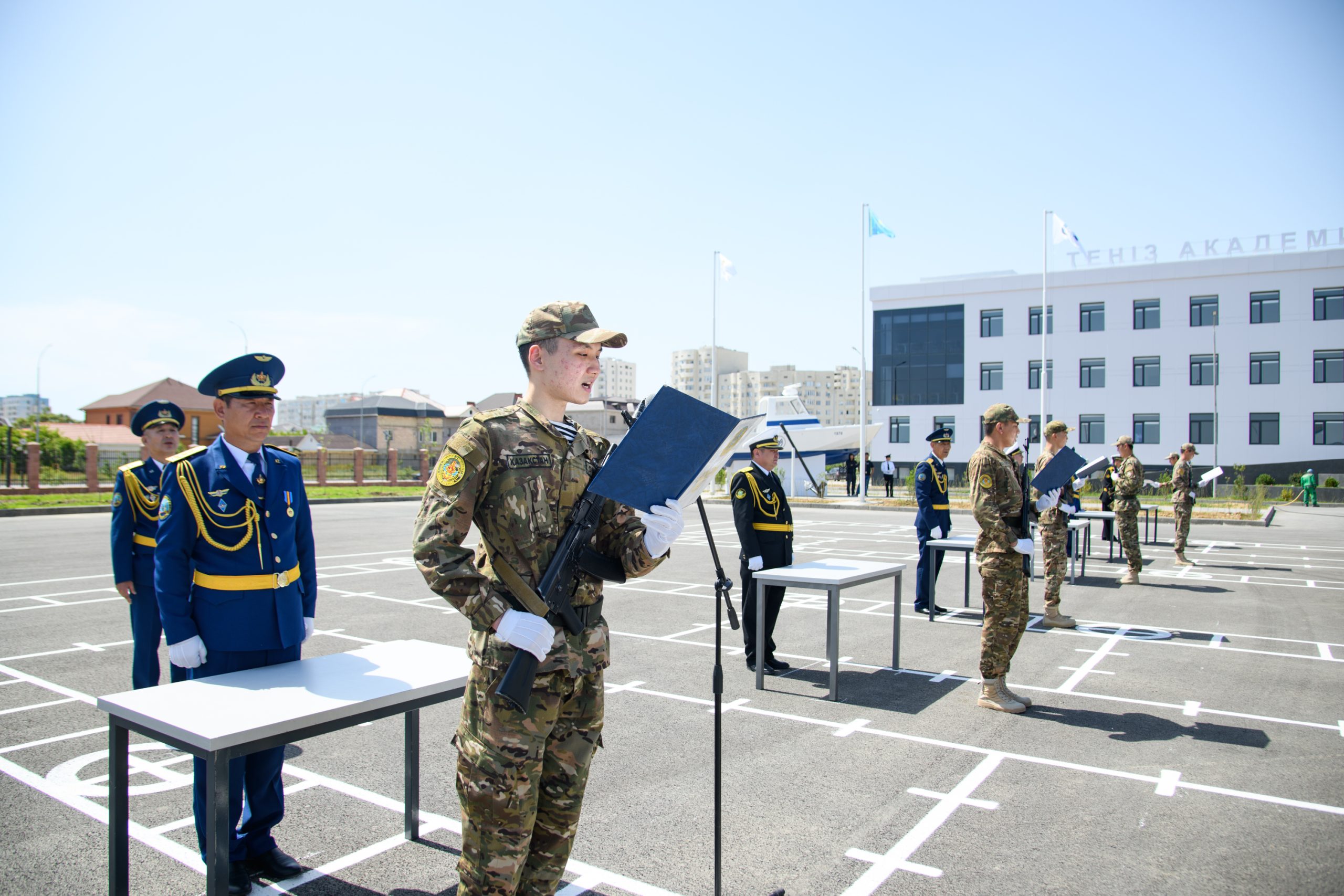
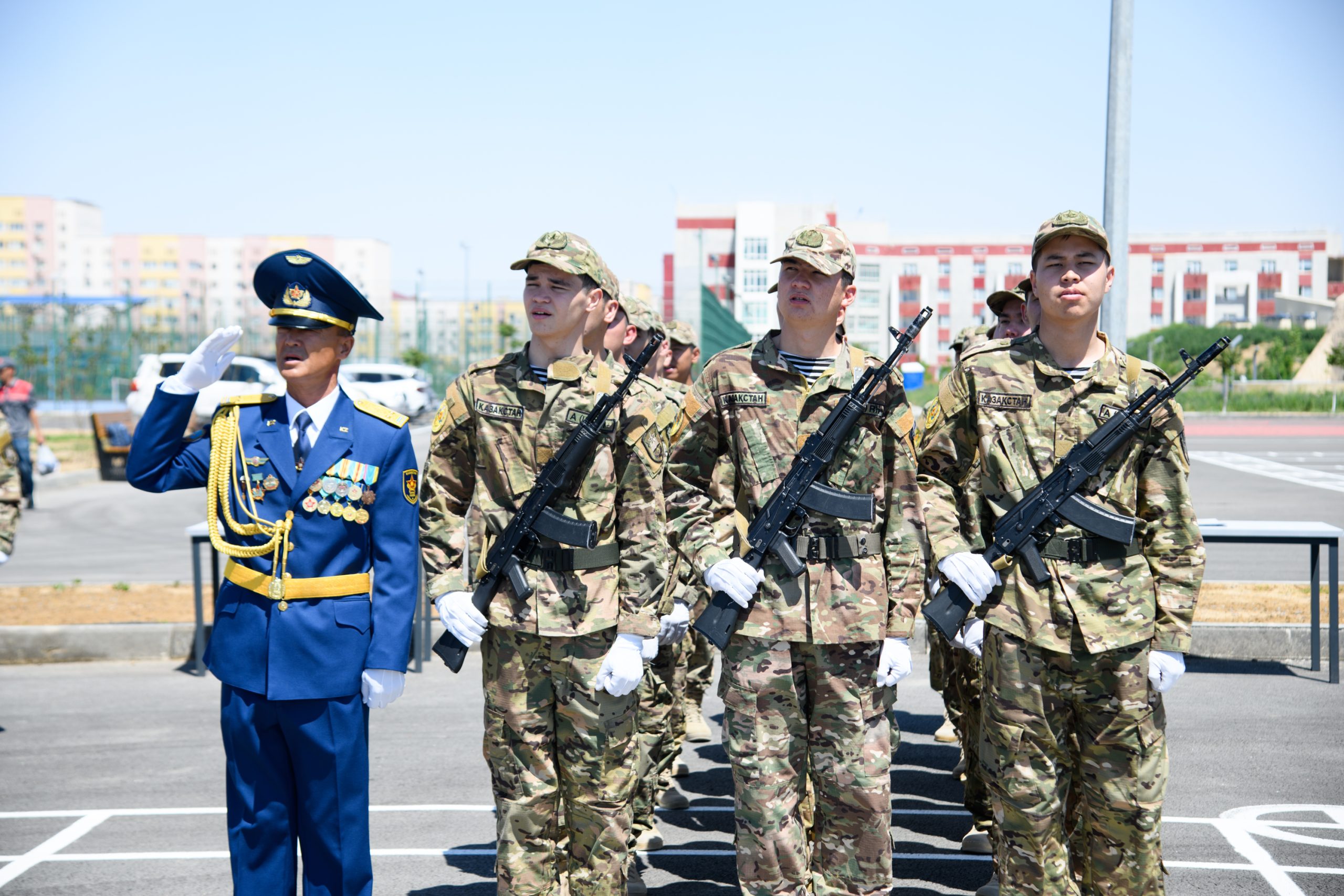
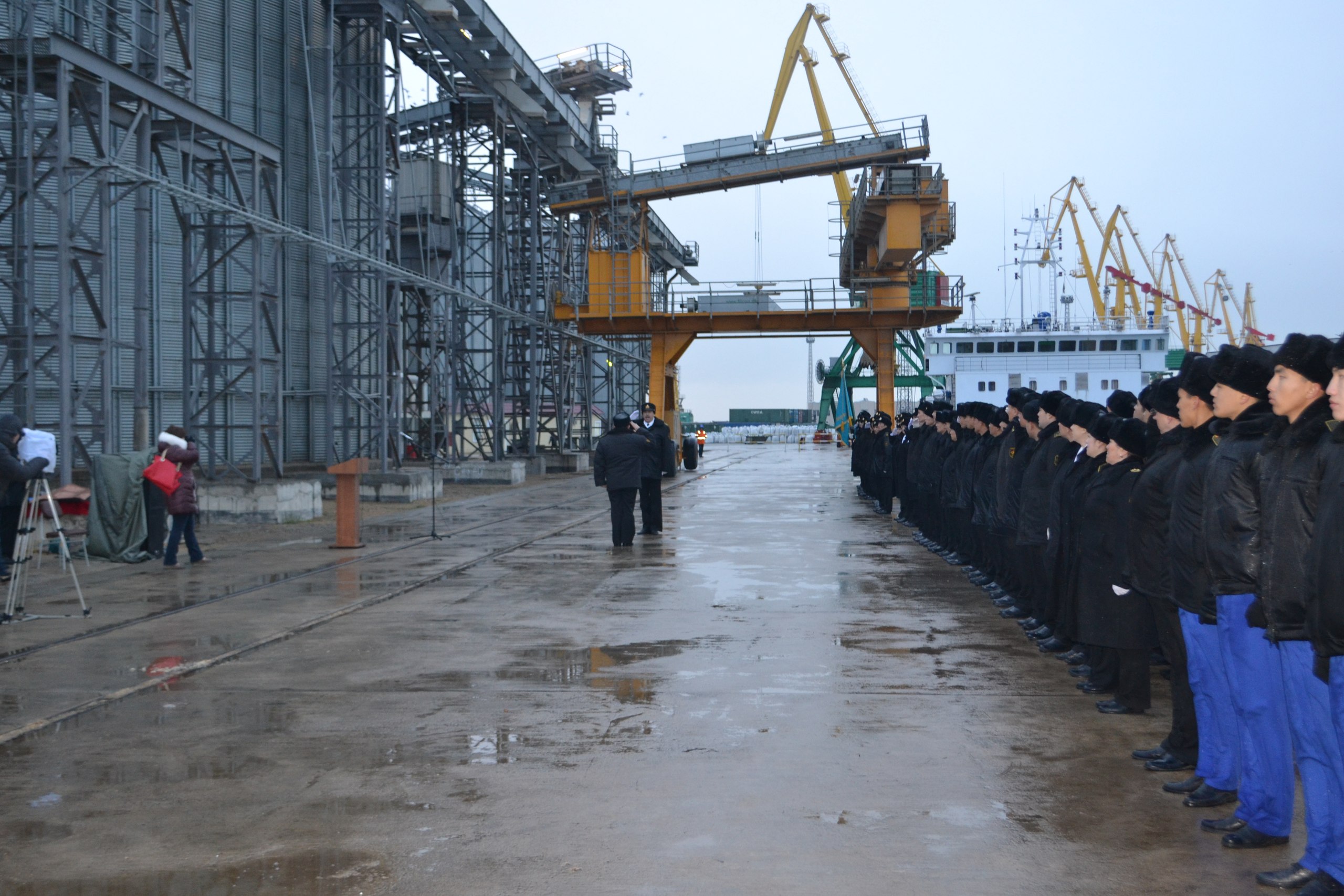
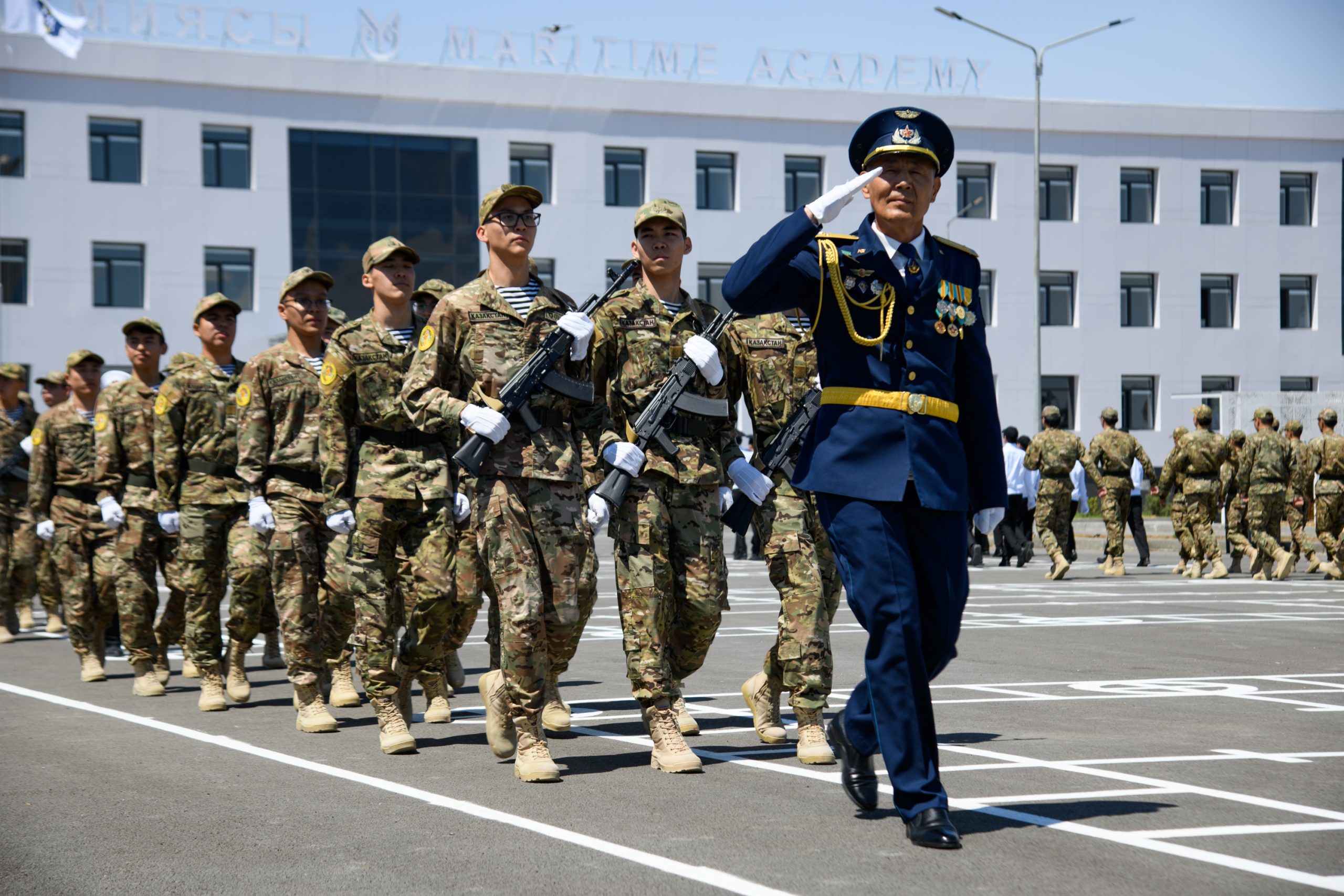
Formal parades, oath-taking and certificate presentations.
Off-site camps with full immersion in training.
Taking part in memorial events and national holidays.
Skills gained at the department are in demand across many industries.
Work in government bodies and public institutions.
Technical roles in industry and construction.
Emergency response and civil protection services.
Defence industry enterprises.
Safety, logistics and management at oil fields.
Ports, shipping, maritime security.
Corporate and industrial security.
Planning, coordinating and monitoring projects.
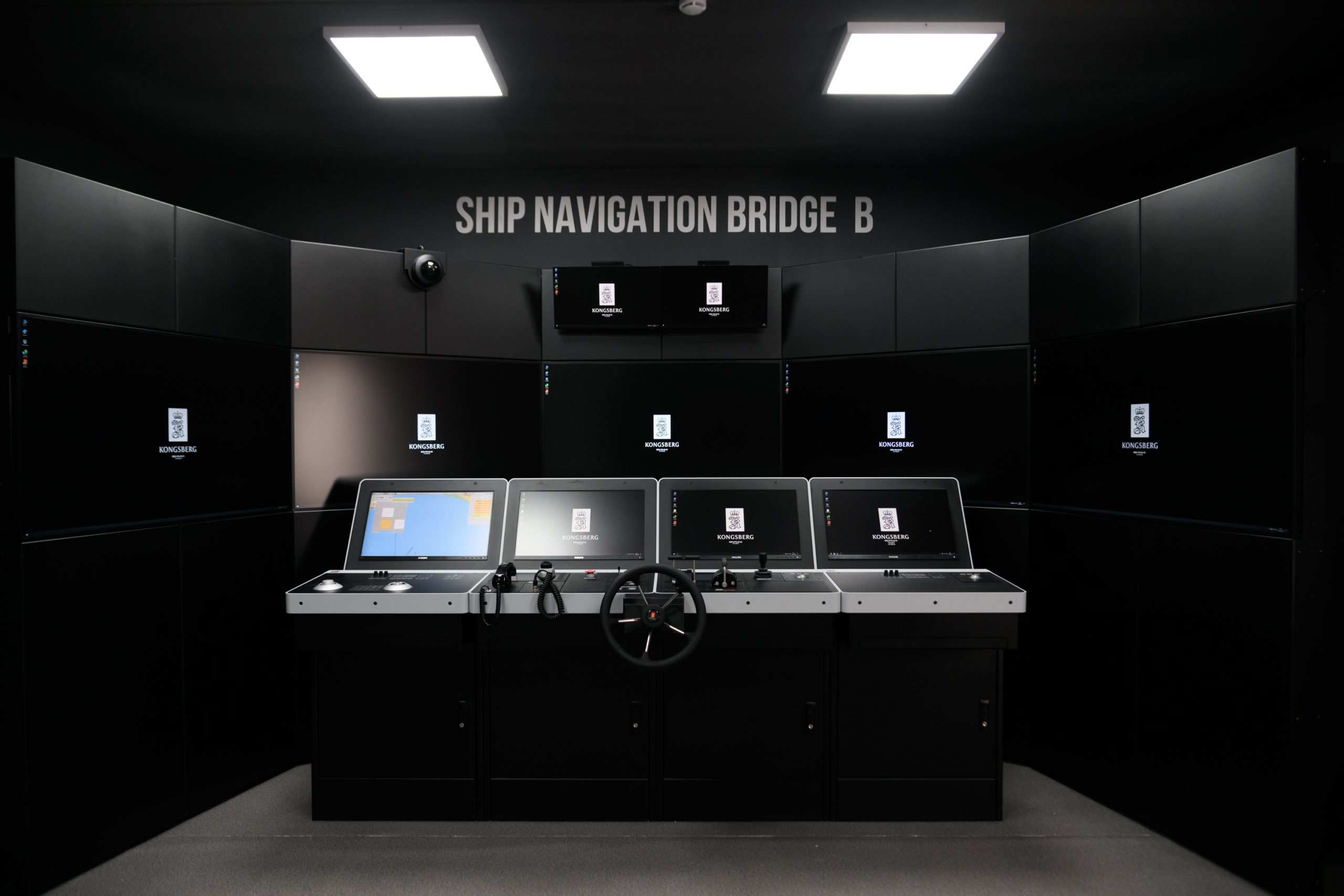
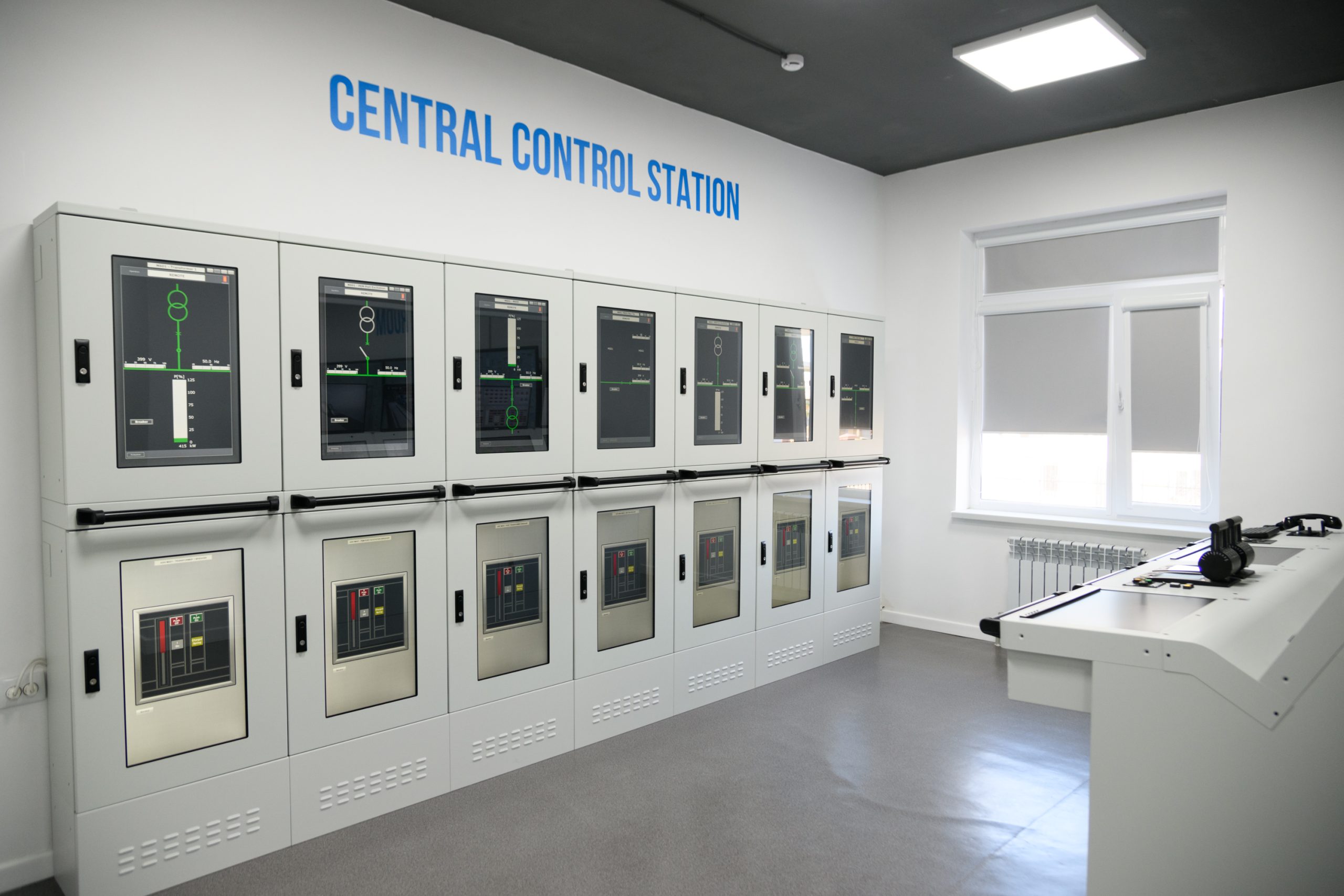
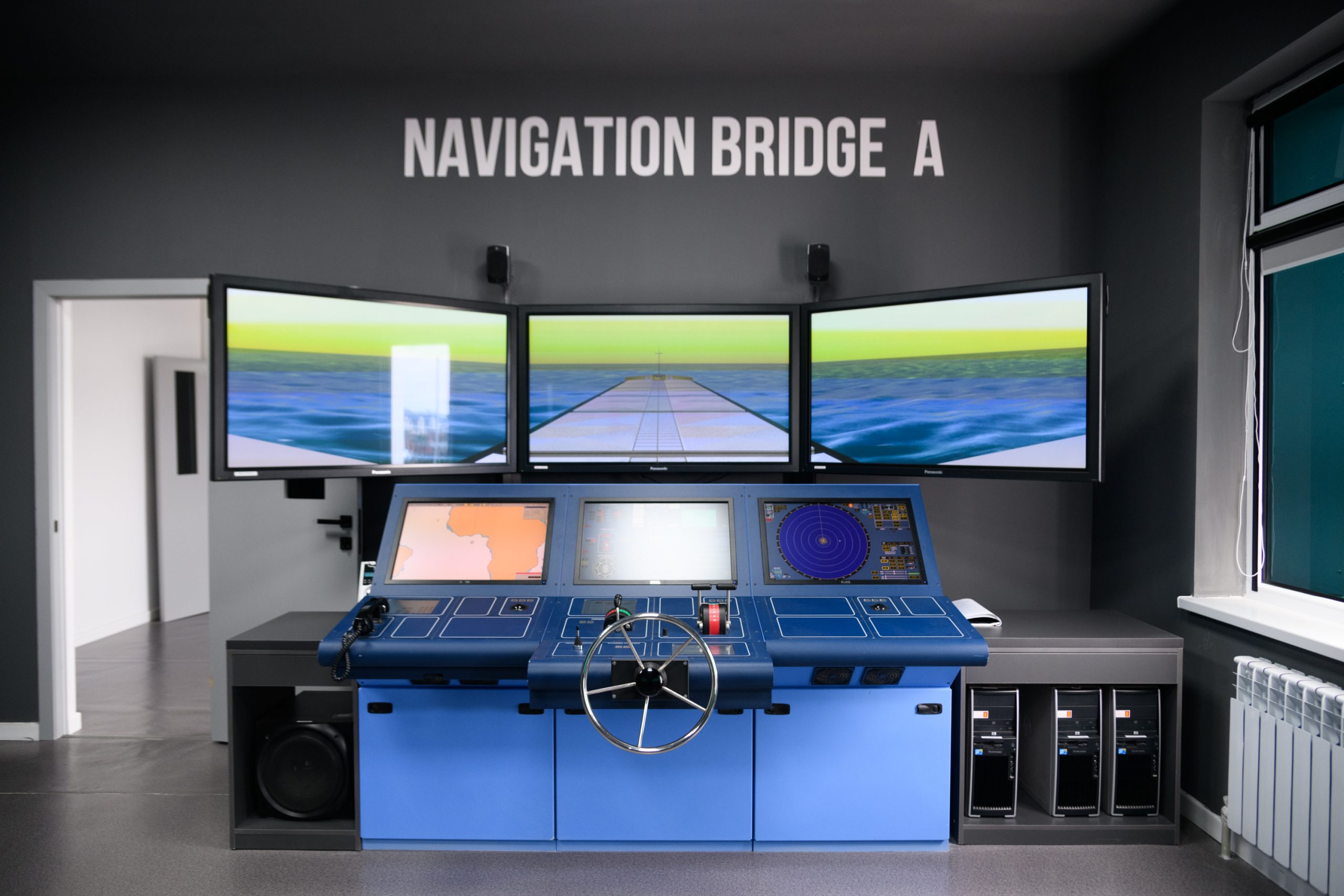
Full-scale ship bridge and central control station simulators for practising navigation and power-plant operation.

Helm, console with radar and chart plotter, and three screens simulating the sea.

Helm and monitor console in a darkened room.

Ship power plant: mimic-diagram cabinets and an operator console.
Modern facilities for theoretical and practical training.

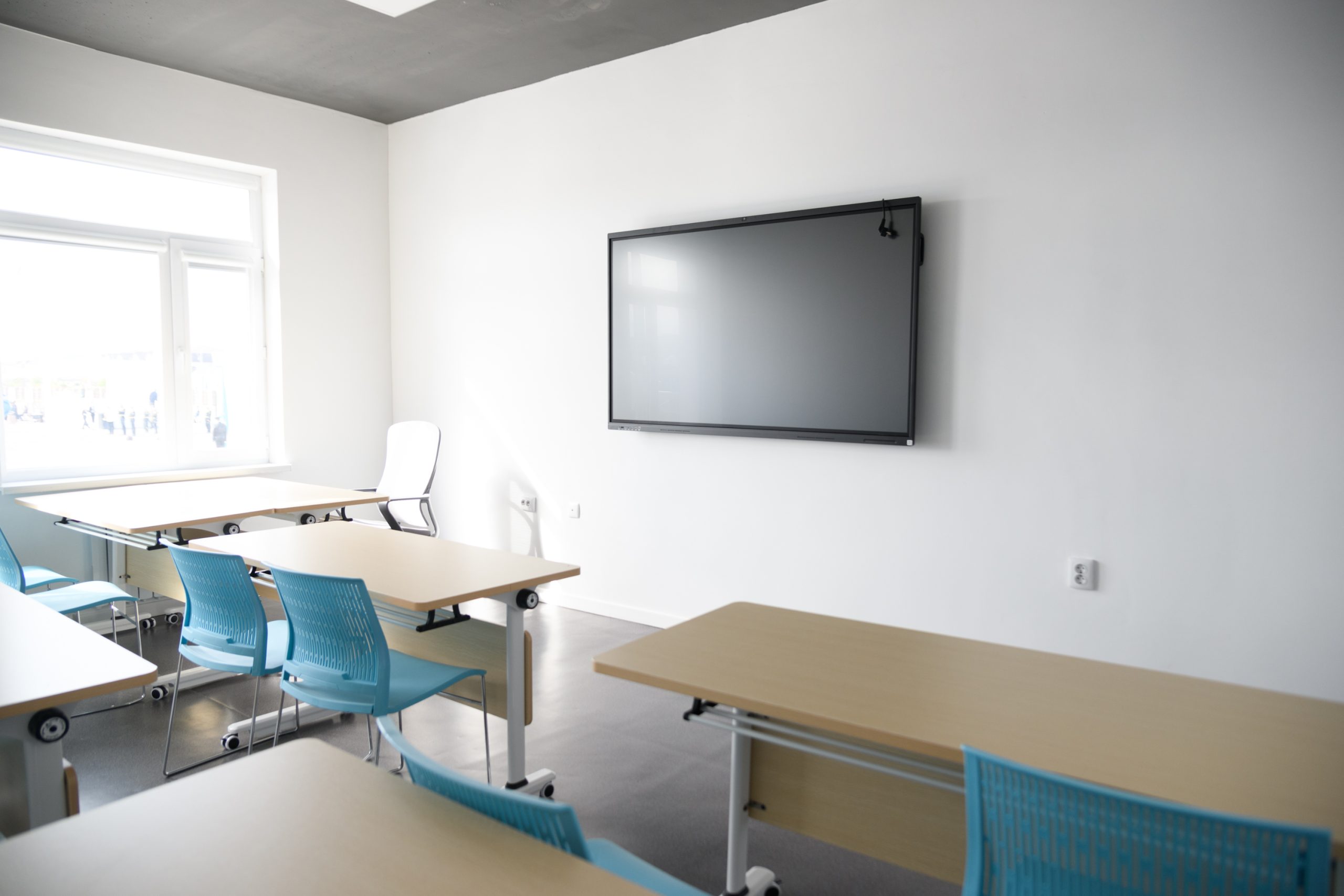
Specialized classrooms with interactive panels and demonstration equipment.

Simulators and control consoles for practising training scenarios.

Workstations with planning and mapping software.

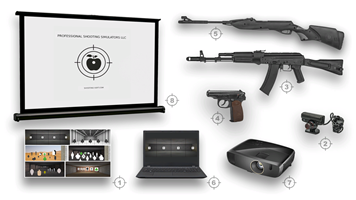
A shooting simulator with projector and screen for safe firearms training.

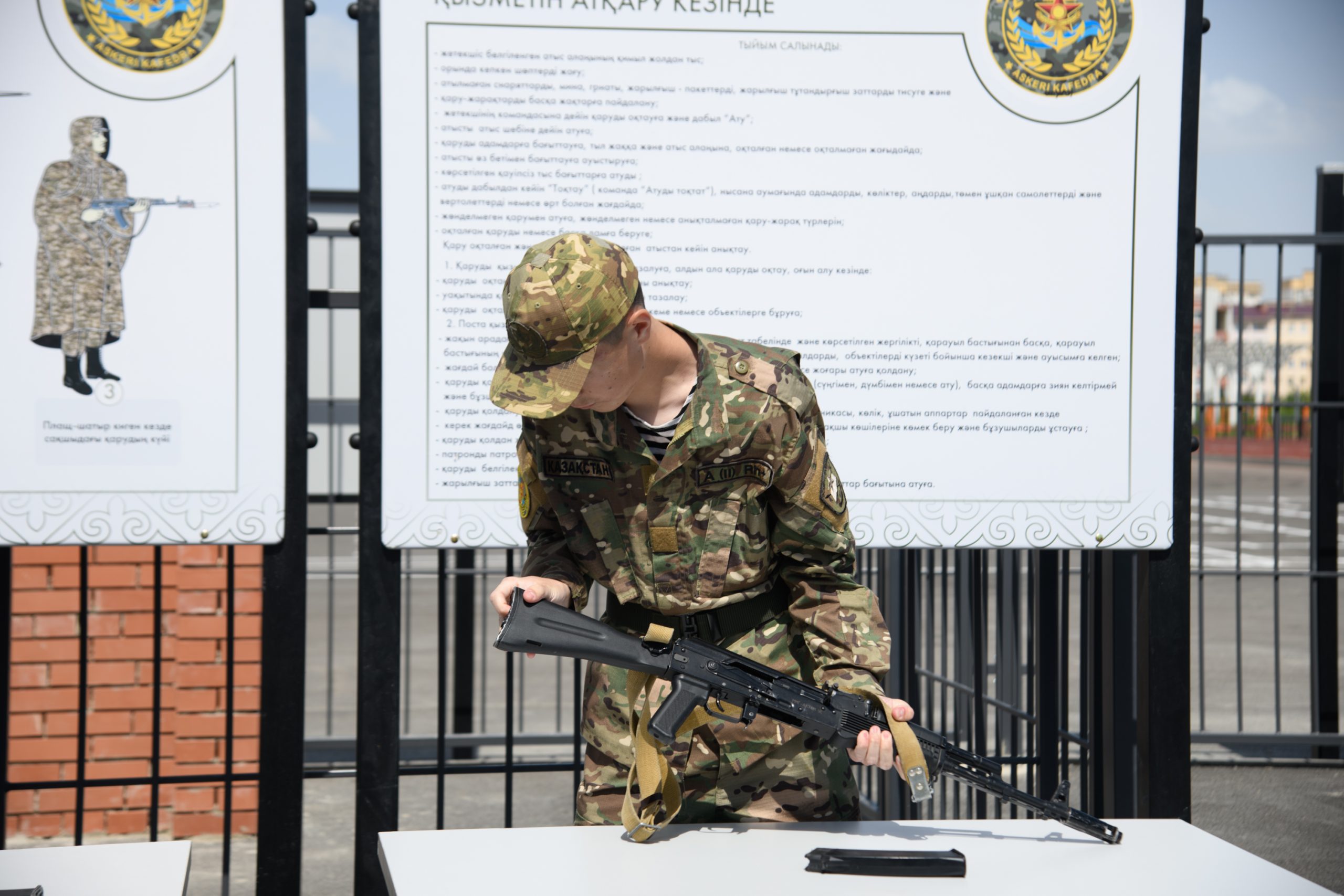
Stands, models and training weapons for hands-on classes.

Working with nautical charts, navigation instruments and consoles.

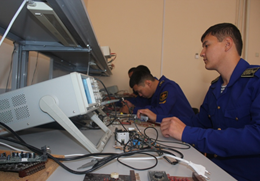
Hands-on installation and maintenance of radio and communications equipment.

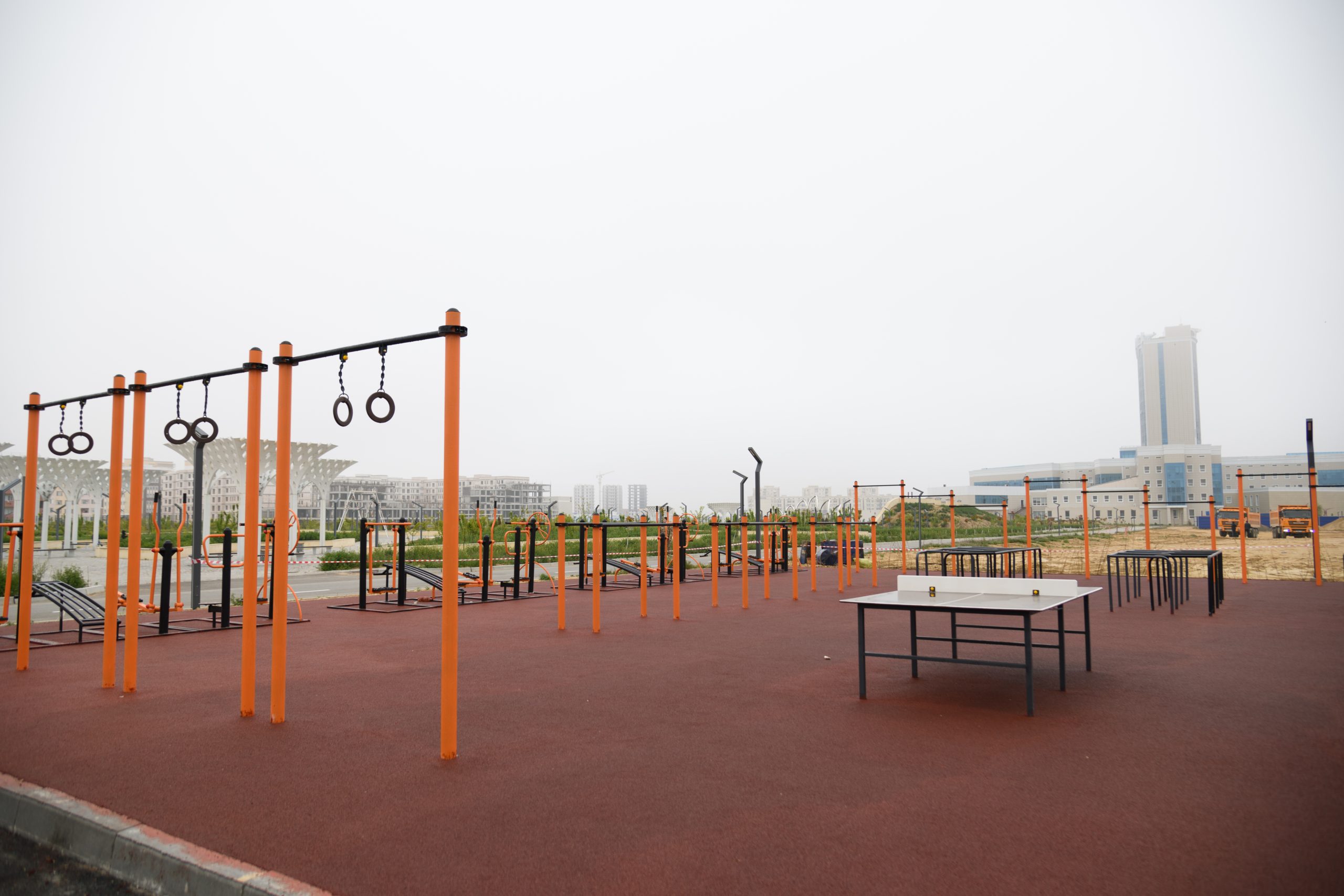
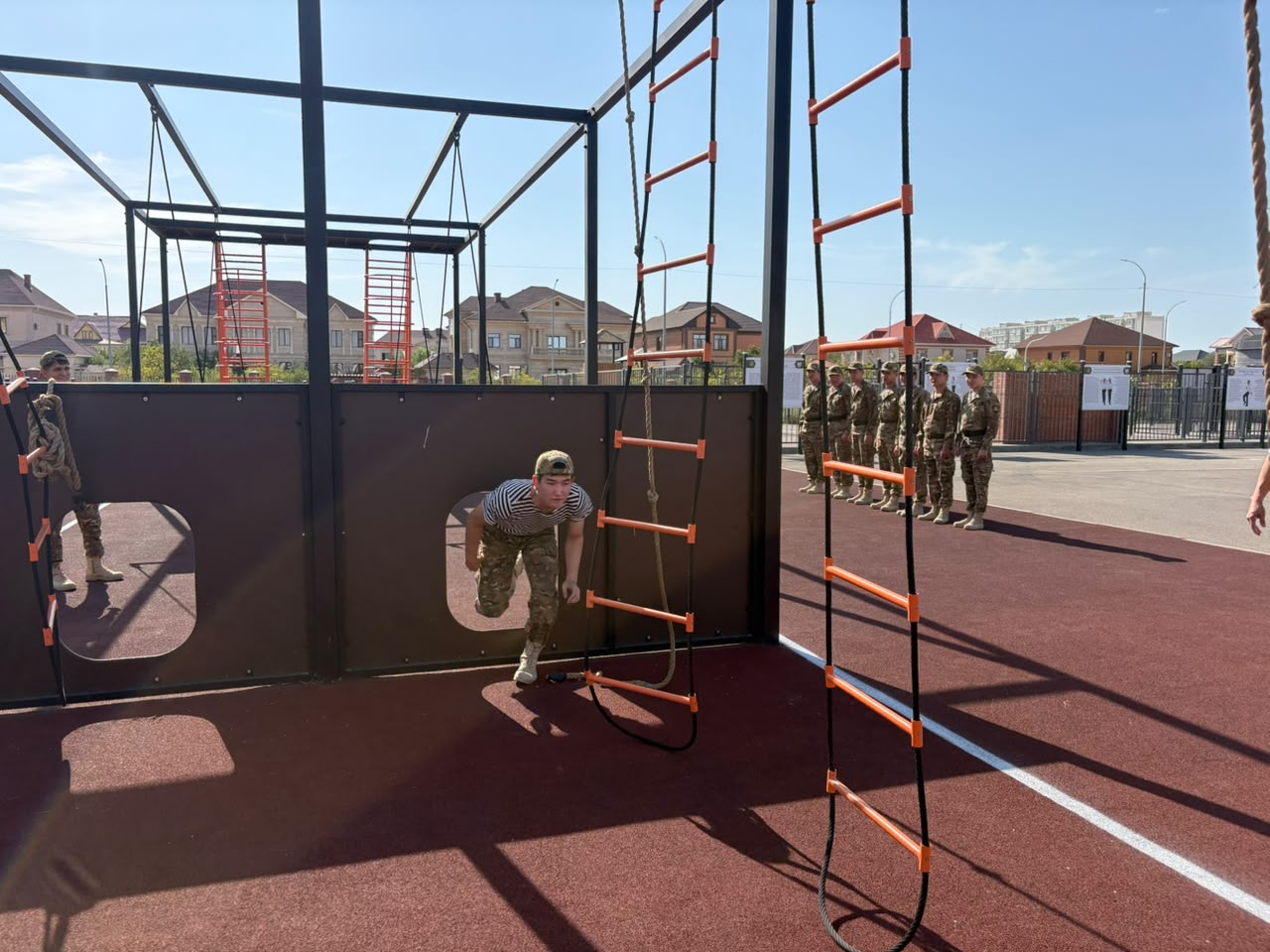
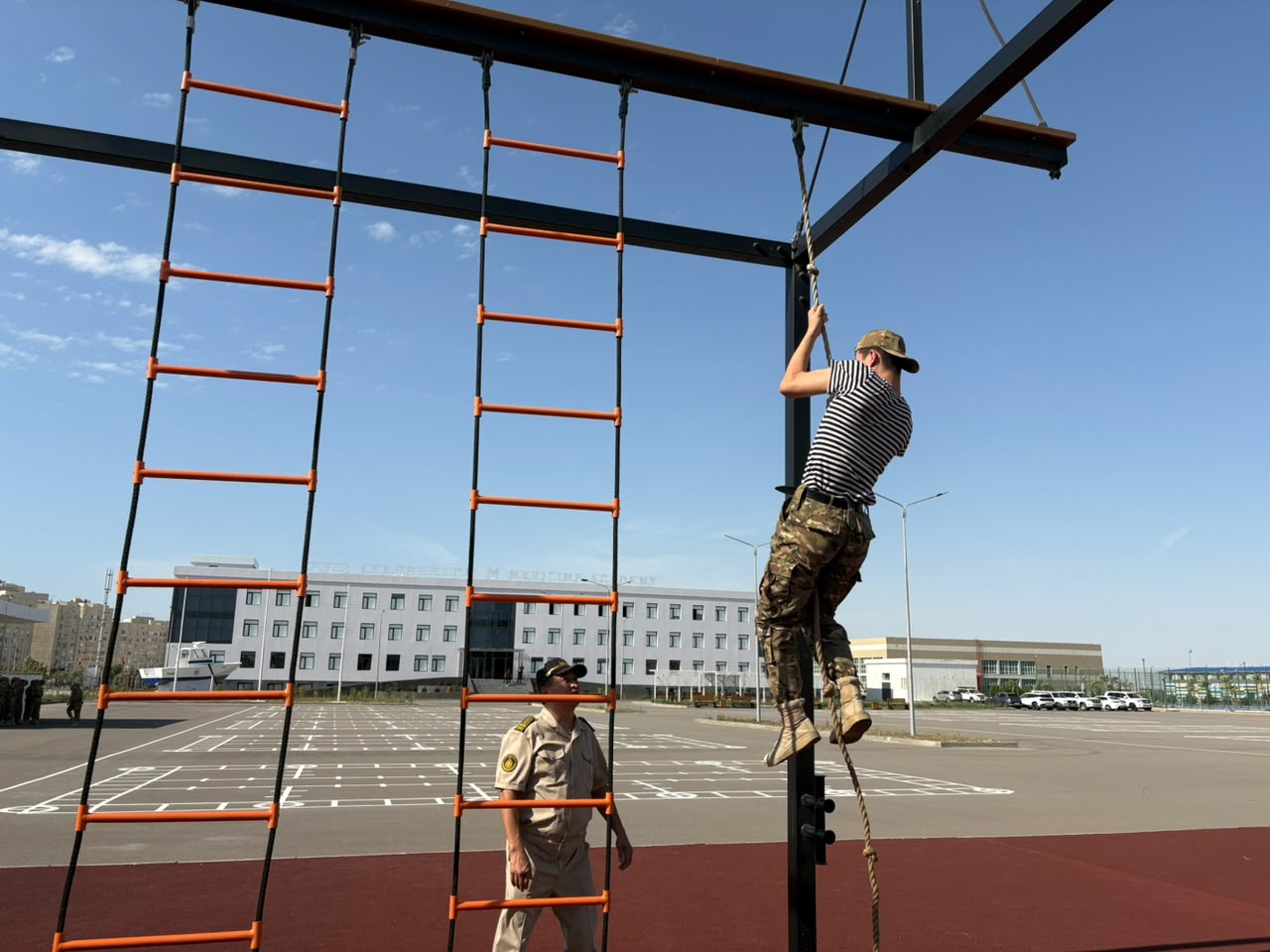
Grounds and equipment for cadets' physical training.

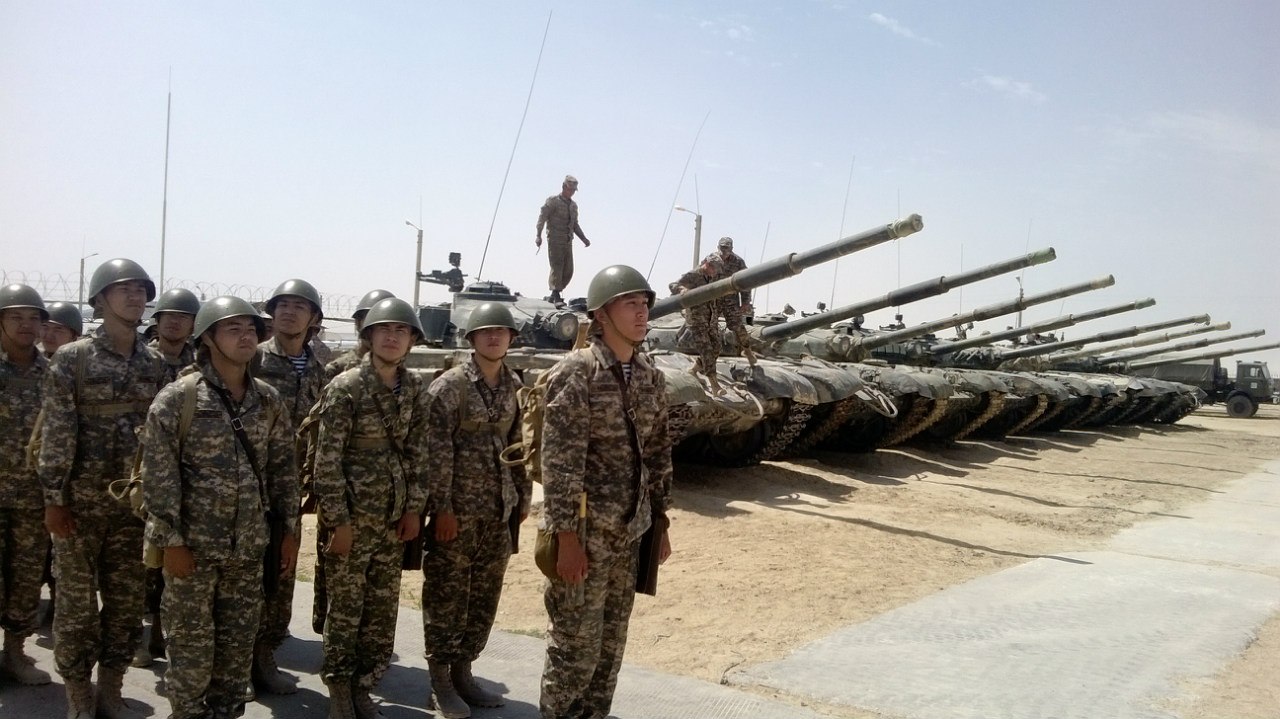
An open area for field training and tactical exercises.
Selection for the Military Department is a four-stage competition. Each stage can be taken only once.
The Military Department issues the medical examination card. The examination takes place at local military administration offices from February 1 of the admission year.
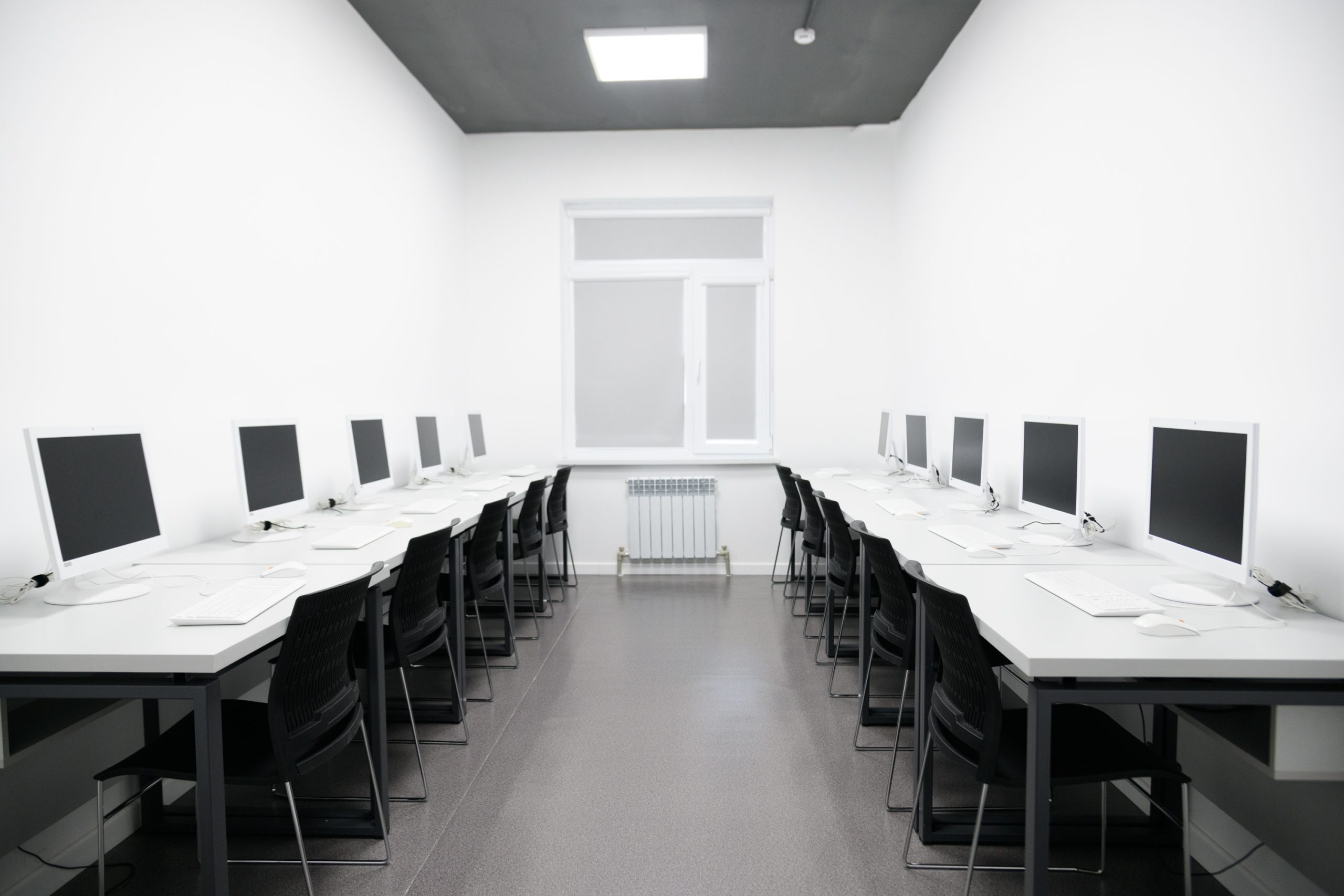
Held in the university's computer labs; assesses motivation, stress resilience, and critical and logical thinking.
Three physical fitness tests. You need at least 9 points in total. Standards ↓
The selection committee reviews the results of all stages and makes the final selection.
Filled in at the Military Department.
Original and copy — 1 pc.
Original and copy.
4 photos, 3×4 cm.
Confirming the presence or absence of a criminal record.
Confirming current enrollment at the university, with faculty and major.
Plastic, for the personal file.
Results must be submitted to the Military Department at least 10 working days before the selection committee begins work. Students who have not passed the medical examination cannot take part in the competition.
Computer-based testing in university labs, assessing motivation, stress resilience, and critical and logical thinking.
Reserve officers: free under the state education order, or paid. Reserve sergeants: paid.
Stage three of the competition is a physical fitness test made up of three exercises.
| Exercise | «5» | «4» | «3» |
|---|---|---|---|
| 100 m run, s | 14,2 | 14,5 | 15,0 |
| 3000 m run, min | 13,00 | 15,00 | 16,00 |
| Pull-ups on a high bar, reps | 12 | 10 | 8 |
| Exercise | «5» | «4» | «3» |
|---|---|---|---|
| 100 m run, s | 16,0 | 16,5 | 17,0 |
| 2000 m run, min | 10,00 | 11,3 | 12,2 |
| Sit-ups, lying on the back, hands behind the head, reps | 25 | 20 | 15 |
Regulations, instructions and forms needed for study at the department.
The core document defining the department's structure, tasks and procedures.
How training, attendance and cadet assessment are organized.
Requirements for cadets' conduct, appearance and discipline.
Rules for organizing theoretical, practical and field classes.
Safety rules for classes, the training ground and equipment.
A set of forms for applying and preparing documents.
The department works with organizations across sectors to improve training quality.
Joint training events and experience exchange
Cooperation with regional authorities
Joint emergency response drills
Regional companies, internships and practice
Exchange of methods with specialized universities
Joint research and development
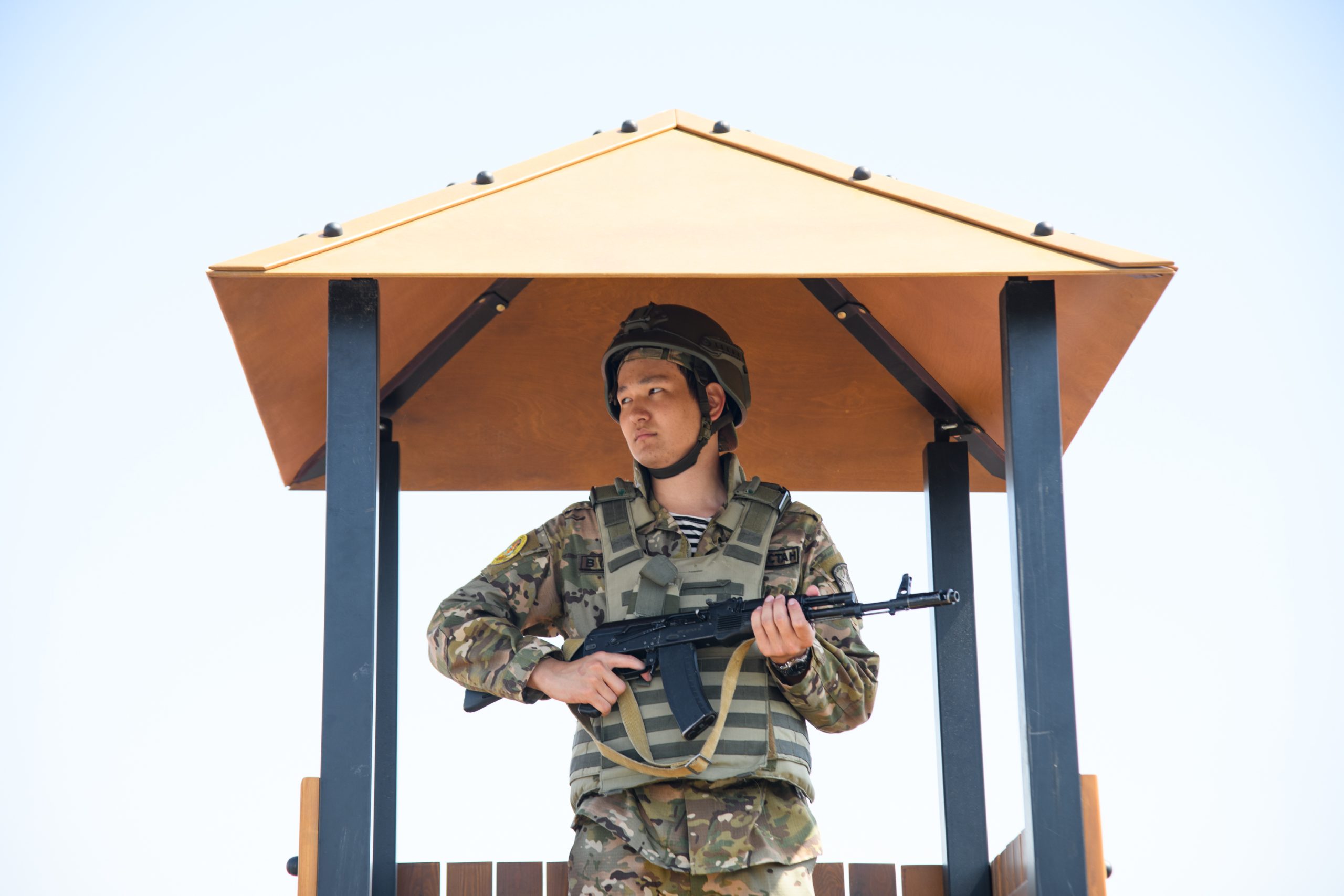
Moments from training, field exercises and department events.